Korean Bibimbap
Highlighted under: Cultural Cooking
Korean Bibimbap is a vibrant and flavorful dish that brings together a variety of fresh vegetables, marinated meat, and a perfectly fried egg, all served over a bed of warm rice.
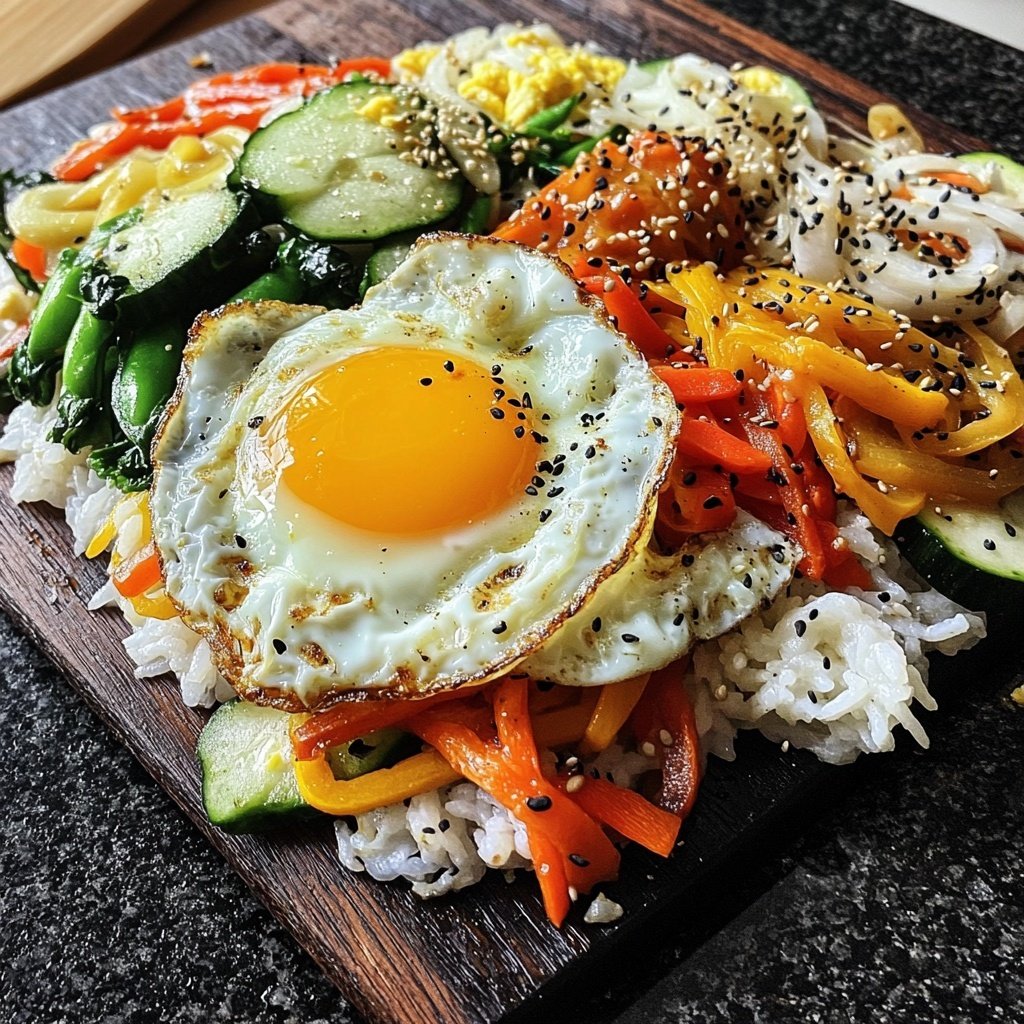
Korean Bibimbap is not just a meal; it's a culinary experience that combines various textures and flavors. Originating from Korea, this dish is often served in a hot stone bowl, allowing the rice to develop a delightful crispy layer at the bottom.
Why You'll Love This Recipe
- A colorful array of fresh vegetables enhance both flavor and nutrition.
- The combination of spicy gochujang sauce and savory sesame oil creates an unforgettable taste.
- Versatile and customizable to include your favorite proteins or vegetarian options.
The Essence of Bibimbap
Bibimbap, a traditional Korean dish, embodies the philosophy of harmony in food. Each ingredient brings its unique flavor and nutritional benefits, creating a balanced meal that is as pleasing to the eye as it is to the palate. The rice acts as a neutral base, allowing the vibrant vegetables and marinated meat to shine. This dish is not only a feast for the senses but also a celebration of the diverse ingredients that define Korean cuisine.
The key to perfect Bibimbap is in the preparation and presentation. The vegetables should be fresh and vibrant, each contributing to the overall flavor profile. From the crunch of the carrots to the earthy taste of spinach, every bite offers a unique experience. Additionally, the combination of textures—from the tender beef to the runny egg yolk—ensures that each mouthful is delightful, making Bibimbap a favorite for many.
Customization and Variations
One of the most appealing aspects of Bibimbap is its versatility. You can easily customize the dish to cater to your dietary preferences or to accommodate seasonal ingredients. For instance, if you prefer a vegetarian option, simply replace the beef with tofu or additional vegetables like mushrooms or radishes. This adaptability makes Bibimbap a fantastic choice for anyone looking to explore different flavors without compromising on taste.
Moreover, the toppings and sauces can also be adjusted according to personal preference. While gochujang is a traditional favorite, you can experiment with other sauces or even create a milder version for those sensitive to spice. The possibilities are endless, inviting you to make each Bibimbap your own while still honoring its Korean roots.
Serving Suggestions
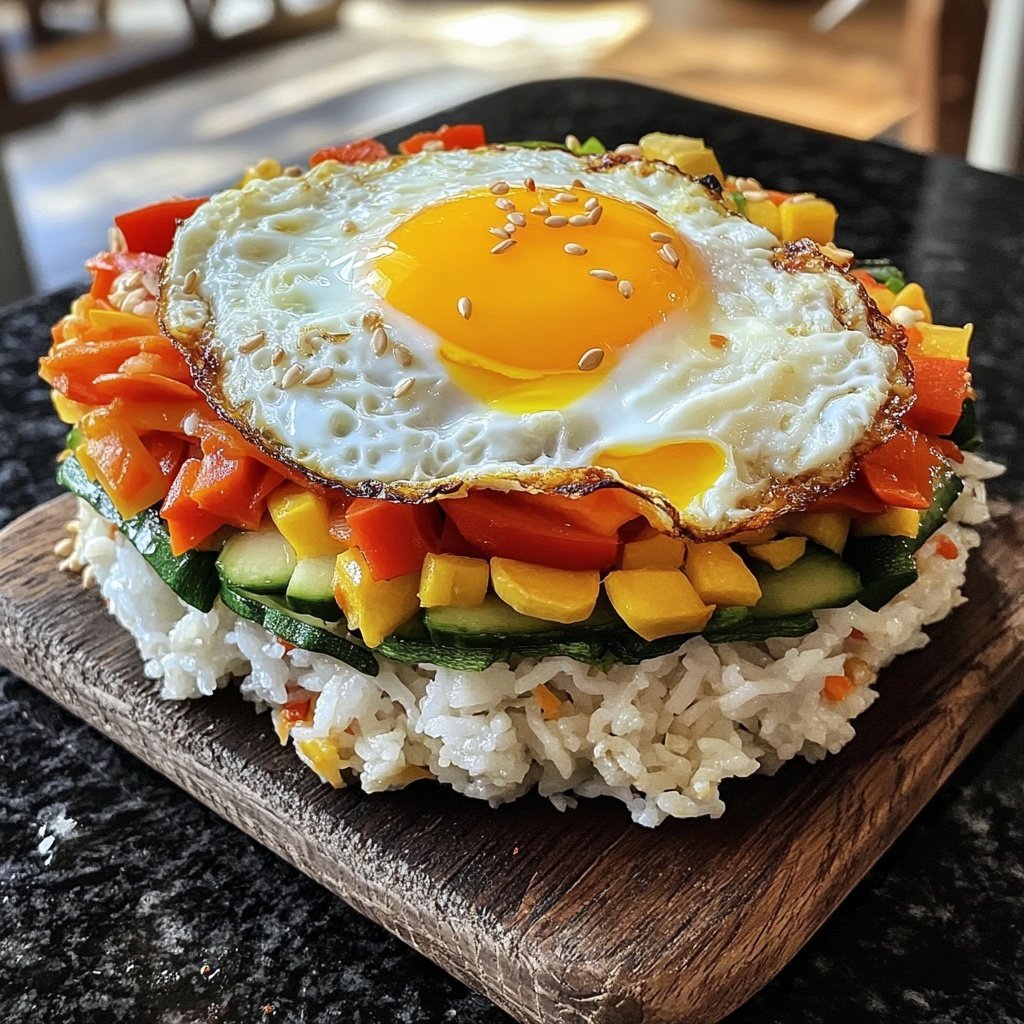
When serving Bibimbap, presentation plays a significant role in the dining experience. Consider using a large, shallow bowl to layer the ingredients beautifully. The vibrant colors of the vegetables and the sunny-side-up egg create a visually stunning dish that is sure to impress guests. For an authentic touch, serve the Bibimbap with a side of kimchi, which adds a spicy, tangy contrast that complements the meal perfectly.
To enhance the dining experience, provide additional condiments like sesame oil or extra gochujang for guests to adjust the flavor to their liking. This interactive element not only makes the meal more enjoyable but also allows everyone to tailor their Bibimbap to suit their taste buds, ensuring that each person gets the full experience of this beloved Korean dish.
Ingredients
For the Bibimbap
- 2 cups cooked rice
- 1 cup spinach, blanched
- 1 cup carrots, julienned
- 1 cup zucchini, julienned
- 1 cup bean sprouts
- 4 eggs
- 200g beef, thinly sliced
- 2 tablespoons soy sauce
- 2 tablespoons sesame oil
- 1 tablespoon gochujang (Korean chili paste)
- 1 tablespoon sesame seeds
- Salt and pepper to taste
Feel free to mix and match vegetables based on your preferences!
Instructions
Prepare the Ingredients
In a bowl, marinate the thinly sliced beef with soy sauce, sesame oil, salt, and pepper. Let it sit for about 10 minutes.
Cook the Beef
In a skillet over medium-high heat, cook the marinated beef until browned and cooked through, about 5-7 minutes. Remove from the skillet and set aside.
Sauté the Vegetables
In the same skillet, add a little oil and sauté the carrots, zucchini, and bean sprouts separately until tender. Season each with salt and pepper.
Fry the Eggs
In a separate pan, fry the eggs sunny-side up, ensuring the yolks remain runny.
Assemble the Bibimbap
In a large bowl, place a portion of rice as the base. Arrange the sautéed vegetables, beef, and a fried egg on top. Drizzle with gochujang and sprinkle with sesame seeds before serving.
Serve immediately and enjoy your homemade Korean Bibimbap!
Pro Tips
- For a vegetarian version, substitute the beef with tofu or additional vegetables.
Nutritional Benefits of Bibimbap
Bibimbap is not just delicious; it's also packed with nutrients. The variety of vegetables included in the dish provides a wealth of vitamins and minerals. For example, spinach is rich in iron and vitamins A and C, while carrots offer a boost of beta-carotene for eye health. This makes Bibimbap an excellent option for those seeking a nutritious meal that doesn't sacrifice flavor.
Additionally, the inclusion of lean protein from the beef or tofu contributes to muscle health and satiety, making this dish a well-rounded choice for both lunch and dinner. By incorporating whole grains like brown rice, you can further increase the fiber content, promoting digestive health and keeping you feeling fuller for longer.
Tips for Perfecting Your Bibimbap
To achieve the best results when making Bibimbap, start with high-quality ingredients. Fresh vegetables and quality cuts of meat will elevate the dish significantly. It's also beneficial to prepare each component separately; this allows you to control the cooking times and ensures that everything is cooked perfectly without overcooking any of the ingredients.
Another helpful tip is to let the cooked rice sit covered for a few minutes before serving. This allows the steam to continue cooking it gently, resulting in perfectly fluffy rice that serves as the ideal base for your Bibimbap. Don't forget to taste as you go, adjusting seasonings and flavors to suit your personal preference.
Questions About Recipes
→ Can I make Bibimbap ahead of time?
Yes, you can prepare the vegetables and beef in advance and assemble just before serving.
→ What can I substitute for gochujang?
You can use Sriracha or another chili paste, but it will change the flavor profile.
→ Is Bibimbap gluten-free?
It can be gluten-free if you use gluten-free soy sauce.
→ Can I use brown rice instead of white rice?
Absolutely! Brown rice will add more fiber and a nuttier flavor.
Korean Bibimbap
Created by: Arden Whitlock
Recipe Type: Cultural Cooking
Skill Level: Intermediate
Final Quantity: 4 servings
What You'll Need
For the Bibimbap
- 2 cups cooked rice
- 1 cup spinach, blanched
- 1 cup carrots, julienned
- 1 cup zucchini, julienned
- 1 cup bean sprouts
- 4 eggs
- 200g beef, thinly sliced
- 2 tablespoons soy sauce
- 2 tablespoons sesame oil
- 1 tablespoon gochujang (Korean chili paste)
- 1 tablespoon sesame seeds
- Salt and pepper to taste
How-To Steps
In a bowl, marinate the thinly sliced beef with soy sauce, sesame oil, salt, and pepper. Let it sit for about 10 minutes.
In a skillet over medium-high heat, cook the marinated beef until browned and cooked through, about 5-7 minutes. Remove from the skillet and set aside.
In the same skillet, add a little oil and sauté the carrots, zucchini, and bean sprouts separately until tender. Season each with salt and pepper.
In a separate pan, fry the eggs sunny-side up, ensuring the yolks remain runny.
In a large bowl, place a portion of rice as the base. Arrange the sautéed vegetables, beef, and a fried egg on top. Drizzle with gochujang and sprinkle with sesame seeds before serving.
Extra Tips
- For a vegetarian version, substitute the beef with tofu or additional vegetables.
Nutritional Breakdown (Per Serving)
- Calories: 550 kcal
- Total Fat: 18g
- Saturated Fat: 4g
- Cholesterol: 186mg
- Sodium: 800mg
- Total Carbohydrates: 75g
- Dietary Fiber: 5g
- Sugars: 5g
- Protein: 22g