Protein Bagels Made With Cottage Cheese
Highlighted under: Balanced Cooking
Protein Bagels Made With Cottage Cheese
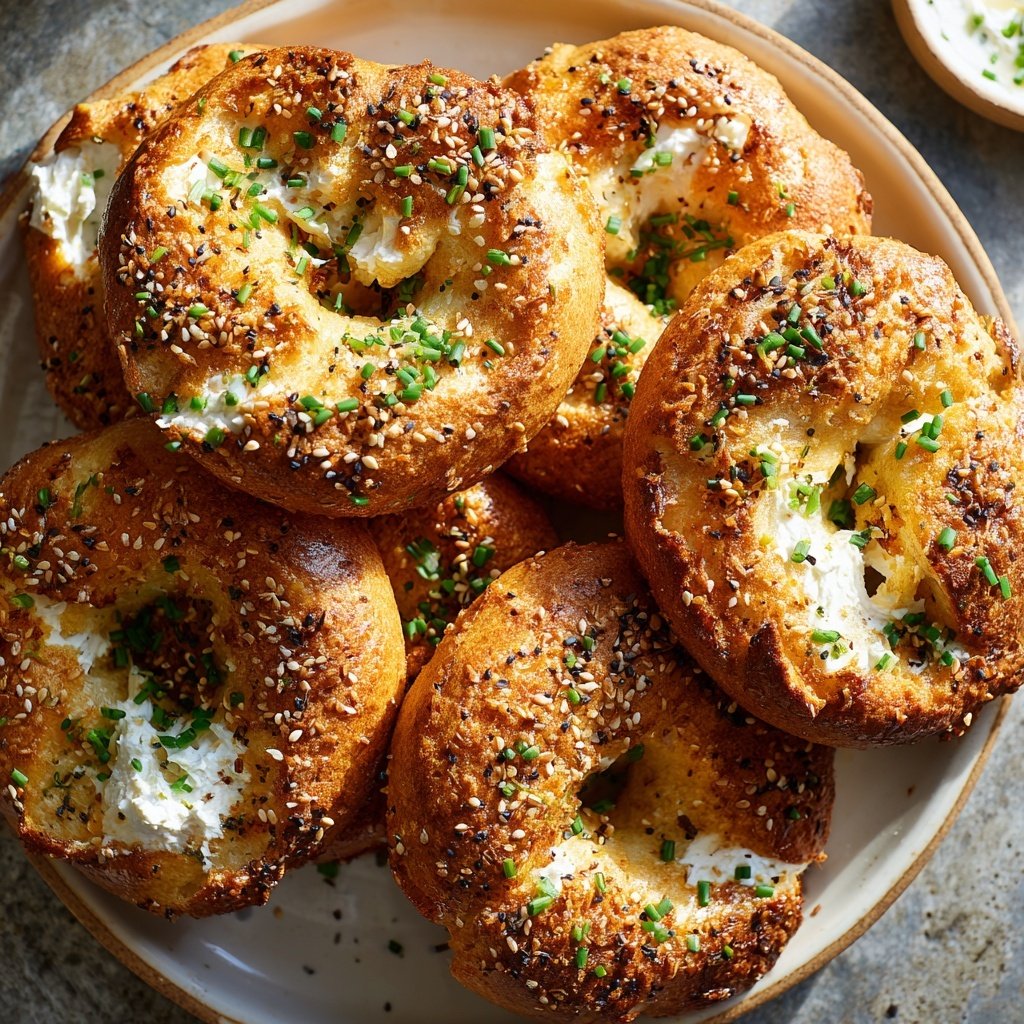
Protein Bagels Made With Cottage Cheese
Protein Bagels Made With Cottage Cheese
The Role of Cottage Cheese in Protein Bagels
Cottage cheese is the star ingredient in these protein bagels, contributing not only to their protein content but also to their unique texture. The moisture from the cottage cheese keeps the bagels soft and chewy, creating a delightful contrast to the crusty surface. When incorporated into the dough, the casein and whey proteins in cottage cheese help provide structure, resulting in a satisfying bite, unlike traditional bagels that often rely solely on flour.
Using low-fat or fat-free cottage cheese can significantly impact the overall caloric content of your bagels. However, if you prefer a richer flavor and a slightly denser texture, opt for full-fat cottage cheese. Experimenting with different fat content can offer insight into how each affects the bagel's outcome, making it easier to tailor the recipe to your dietary preferences.
Mastering the Dough Consistency
Achieving the right dough consistency is crucial for perfect bagels. You want a dough that is not too sticky but also not dry. Start by combining the dry ingredients first, ensuring they are well mixed. When adding the cottage cheese, do so gradually; it’s easier to add more flour if the dough is too wet than to fix a dry dough. Aim for a dough that is smooth and elastic, typically after about 8-10 minutes of kneading.
If you find that your dough is too sticky during kneading, resist the urge to add too much flour at once. Instead, add small amounts, a tablespoon at a time, and knead until fully incorporated. This will help maintain the bagels’ desired chewiness while achieving the perfect shape when forming them into rings.
Serving and Storage Tips
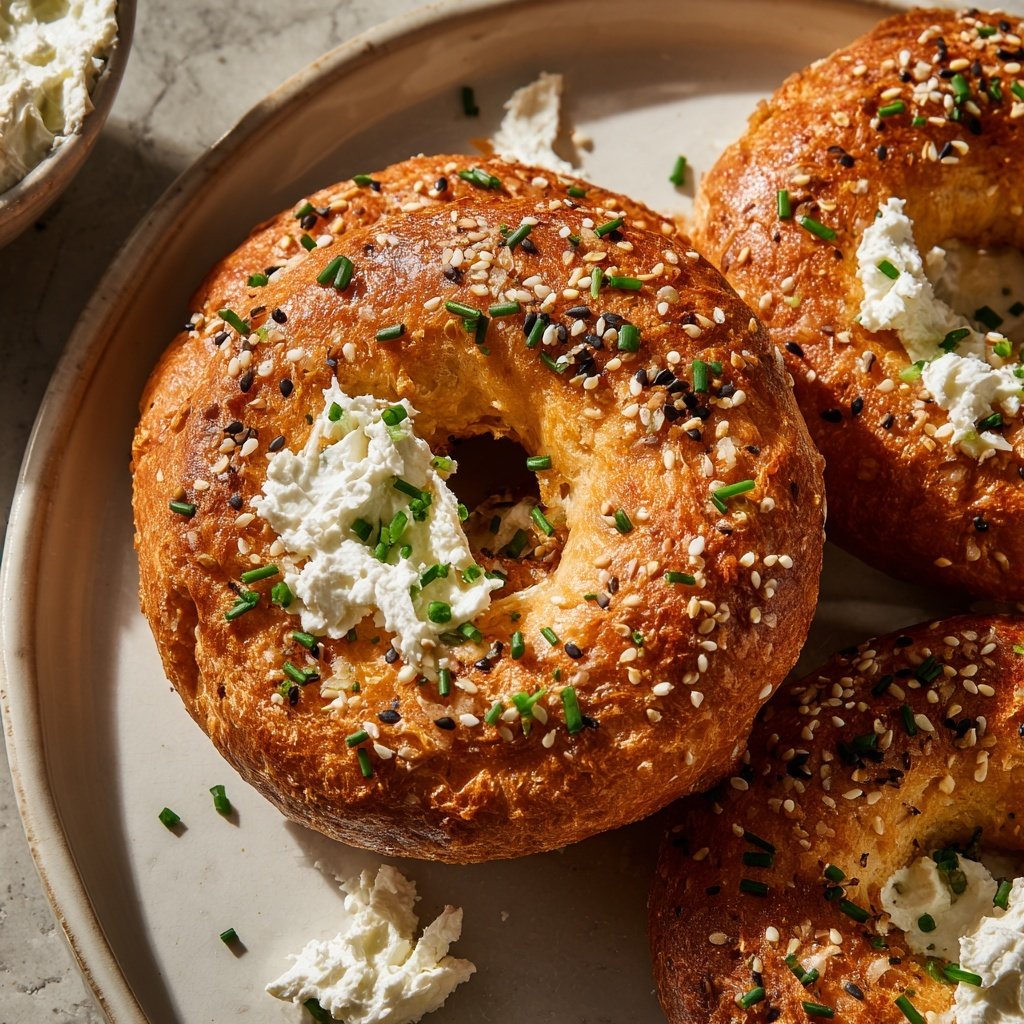
These protein bagels can be enjoyed fresh or toasted, making them versatile for any meal of the day. Spread some cream cheese or avocado on top for a breakfast treat, or top them with smoked salmon and capers for an elegant brunch option. They also pair well with a variety of toppings like sliced tomatoes, cucumbers, or even a simple drizzle of honey if you prefer a sweet twist.
When it comes to storage, these bagels can be kept in an airtight container at room temperature for up to 2 days. For longer storage, freeze them individually wrapped in plastic wrap and placed in a freezer-safe bag. They can be reheated directly from the freezer in a toaster or wrapped in aluminum foil and warmed in the oven at 350°F (175°C) until heated through, which usually takes about 10-15 minutes.
Ingredient Substitutions
If you're looking for a gluten-free option, consider substituting the all-purpose flour with a gluten-free flour blend. Just ensure the blend contains a binding agent like xanthan gum to help maintain the bagel's structure while baking. Each gluten-free blend varies, so start with an equal substitution and adjust hydration if the dough feels dry or overly sticky.
For an added flavor boost, feel free to mix in chopped herbs, garlic powder, or even cheese directly into the dough. This not only enhances the taste but also allows you to customize your bagels. Just keep in mind that additional ingredients may slightly affect the dough’s hydration, so monitor the texture closely while mixing.
Troubleshooting Common Issues
If your bagels turn out too dense, it could be due to over-kneading the dough or not allowing enough time for rising. A good rule of thumb is to knead just until the dough is smooth and elastic, and let it rest until it has doubled in size, which usually takes about an hour. Pay attention to the size when shaping your bagels; if they look too small, they might not have risen enough before baking.
Overbaking is another common issue that can lead to dry bagels. Keep an eye on your bagels in the oven, and look for a golden brown color and a firm exterior—typically after 20-25 minutes at 375°F (190°C). If they are browning too quickly but not fully baked inside, you can tent them with aluminum foil halfway through baking to prevent excess browning.
Making Ahead and Serving Suggestions
You can prepare the dough for your protein bagels in advance. After kneading, let it rise as usual, then shape them, cover them with plastic wrap, and refrigerate overnight. The next morning, simply boil and bake them as directed. This is a great time-saver for busy mornings, especially if you're meal-prepping for the week ahead.
For a fun variation, try adding a sprinkle of everything bagel seasoning on top before baking. This provides a crunchy texture and an extra flavor dimension. Alternatively, consider experimenting with fillings, such as cheese cubes or spinach, which can be incorporated right before shaping the bagels.